When traditional antidepressants aren’t enough, ketamine offers renewed hope.
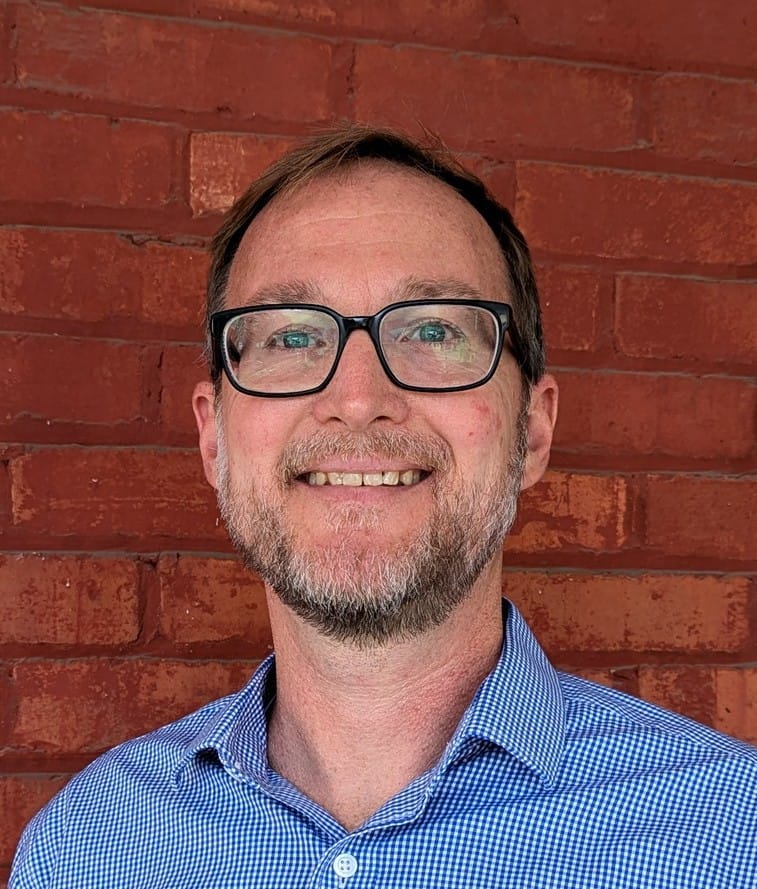
By Andrew Jecklin, PMHNP-BC
Stillpoint Integrative Psychiatry & Wellness
Harrisonburg • Lynchburg • Telehealth Across Virginia
Introduction: When Depression Doesn’t Respond to Treatment
Depression is common—but treatment-resistant depression (TRD) is uniquely challenging.
Many people try multiple antidepressants, therapy, lifestyle changes, and medication combinations, yet continue to feel:
- Numb
- Disconnected
- Overwhelmed
- Exhausted
- Hopeless
- Stuck in the same emotional patterns
If this describes your experience, you are not alone.
And more importantly—you are not broken and you are not out of options.
At Stillpoint Integrative Psychiatry, we specialize in helping individuals with treatment-resistant depression find relief through evidence-based ketamine therapy, offered through both:
- In-office sessions in Harrisonburg & Lynchburg
- At-home ketamine therapy available statewide
Ketamine represents one of the most significant breakthroughs in depression treatment in decades.
What Exactly Is Treatment-Resistant Depression?
Clinically, TRD is defined as:
Depression that does not significantly improve after at least two adequate trials of antidepressant medication.
But in real life, TRD often looks like:
- Meds that “kind of help” but never fully work
- Feeling worse after switching or increasing doses
- Sensitivity to medication side effects
- Mood swings, emotional flattening, or chronic fatigue
- Difficulty concentrating or feeling present
- Persistent anxiety or rumination
- Feeling like you’re managing symptoms more than healing
TRD doesn’t mean your depression is “unfixable.”
It means your brain needs a different mechanism of treatment—one that goes beyond the serotonin system.
This is where ketamine stands apart.
Why Traditional Antidepressants Often Fall Short
Most antidepressants work by adjusting serotonin, norepinephrine, or dopamine.
But for many people, the core issue lies deeper—in the brain’s glutamate pathways, which regulate:
- Emotional processing
- Cognitive flexibility
- Resilience to stress
- Ability to shift out of negative thought loops
When these pathways become rigid or underactive, conventional medications may never fully lift the depressive state.
Signs that traditional treatments may not be enough:
- You’ve tried multiple SSRIs or SNRIs
- Therapy helps, but symptoms persist
- You feel emotionally stuck or numb
- Your depression returns after each medication adjustment
- Anxiety or rumination remain severe
- You’ve lost motivation or interest in life
Ketamine addresses depression through an entirely different biological pathway, which is why it can help even when everything else has failed.
How Ketamine Helps Treatment-Resistant Depression
Ketamine works on the glutamate system, rapidly increasing synaptic plasticity—the brain’s ability to create new, healthy neural connections.
This leads to three powerful outcomes:
1. Rapid Relief
Some individuals feel lighter, clearer, or more themselves within hours or days.
2. Increased Neuroplasticity
Ketamine helps the brain “unfreeze,” making real change possible.
3. Emotional Reset
Many patients describe gaining perspective, clarity, or an opening toward hope they haven’t felt in years.
Clinical research shows ketamine can help:
- Improve mood
- Reduce suicidal ideation
- Quiet rumination
- Decrease anxiety
- Increase motivation
- Support deeper therapy work
It is not a sedative and does not blunt emotions.
Instead, ketamine creates space to feel and heal again.
Ketamine at Stillpoint: A Holistic, Patient-Centered Approach
Ketamine is most effective when paired with thoughtful preparation, dose precision, and integration.
At Stillpoint, our approach follows the Stillpoint Integrative Method, which includes:
• Mind-Body Interconnection
Addressing physiology, stress responses, and emotional patterns together.
• Restorative Physiology
Supporting nutrition, supplements, inflammation, and sleep as part of treatment.
• Mental Causation & Self-Agency
Helping patients understand how thought patterns can shift during periods of neuroplasticity.
• Strategic Medication Use
Ketamine is used as a targeted tool—not a blunt instrument.
• Integration
We offer journaling prompts, breathwork, somatic grounding, and reflection practices to help insights become lasting change.
• Structured Yet Flexible Treatment Plans
No rigid one-size-fits-all dosing.
Each plan is tailored to sensitivity, goals, and clinical history.
What Treatment Looks Like
We offer two precise ketamine treatment paths:
1. In-Office Ketamine Nasal Spray (Harrisonburg & Lynchburg)
For patients who want an immersive, supervised therapeutic experience.
A session includes:
- A calm, private dosing room
- Guidance on mindset and intention
- Clinician oversight during administration
- Monitoring for safety
- Post-session grounding
- Integration recommendations
This is ideal if you have complex symptoms, severe anxiety, or prefer an in-person therapeutic space.
2. At-Home Ketamine Therapy (Virginia Statewide)
A structured, clinically guided program using ketamine nasal spray or troches.
Includes:
- Full psychiatric evaluation
- Personalized dosing plan
- Audio guidance
- Integration support
- Check-ins or messaging as needed
- Access to your clinician throughout treatment
This option offers privacy, flexibility, and continuity.
Who Is a Good Candidate?
You may benefit from ketamine if:
- You’ve tried multiple antidepressants without significant improvement
- Therapy helps, but doesn’t resolve underlying symptoms
- You experience persistent anxiety, dissociation, or rumination
- Your depression keeps returning despite treatment
- You feel emotionally flat, numb, or disconnected
- You want a more holistic, whole-person approach
- You’re ready to explore treatment beyond conventional medications
Is Ketamine Safe?
Yes—when administered with medical oversight.
Side effects are typically temporary, such as:
- Mild dissociation
- Dizziness
- Nausea
- Sensitivity to sound or light
- Fatigue afterward
At Stillpoint, safety is ensured through:
- Medical screening
- Conservative dosing
- Gradual titration
- Monitoring (in-office)
- Close follow-up
- Integrated mental health support
We do not push high doses for intensity.
Instead, we prioritize stability, clarity, and healing.
Frequently Asked Questions About Ketamine for TRD
How soon will I feel relief?
Many feel improvement within the first few sessions. Some notice it within hours.
Can I stay on my current medications?
In most cases, yes. We evaluate interactions individually.
Is ketamine addictive?
Clinical ketamine at therapeutic doses has a very low risk of dependency when monitored properly.
How long do effects last?
Improvements often build session by session and stabilize with continued care and integration.
Locations We Serve
In-Office Ketamine
- Harrisonburg
- Lynchburg
At-Home Ketamine (Telehealth)
- Available across the entire Commonwealth of Virginia
We also serve surrounding areas:
Forest, Amherst, Madison Heights, Bedford, Waynesboro, Staunton, Rockingham County, and the Shenandoah Valley.
A New Beginning Is Possible
Treatment-resistant depression can make life feel narrow, small, and heavy.
But change is possible—even when nothing else has helped.
Many patients describe ketamine as the first time in years they’ve felt:
- Clear
- Connected
- Motivated
- Present
- Hopeful
You deserve that, too.
Take the Next Step
Book a Consultation
Speak with a psychiatric specialist and see if ketamine is right for you.
Learn About Our Ketamine Program
Explore In-Office Ketamine Near You
Or Start At-Home Ketamine (Virginia)
A flexible, structured program wherever you live.